Pillar Active Carbon for Adsorption of Gases
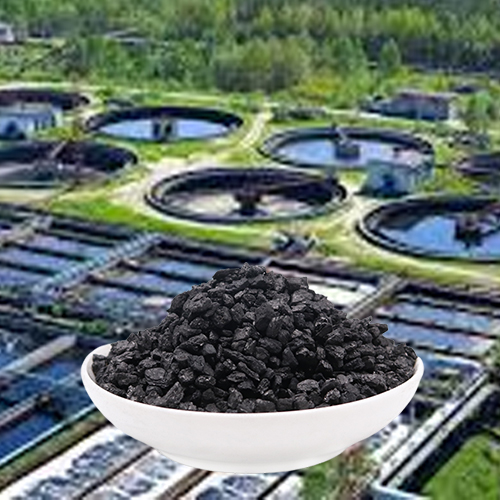
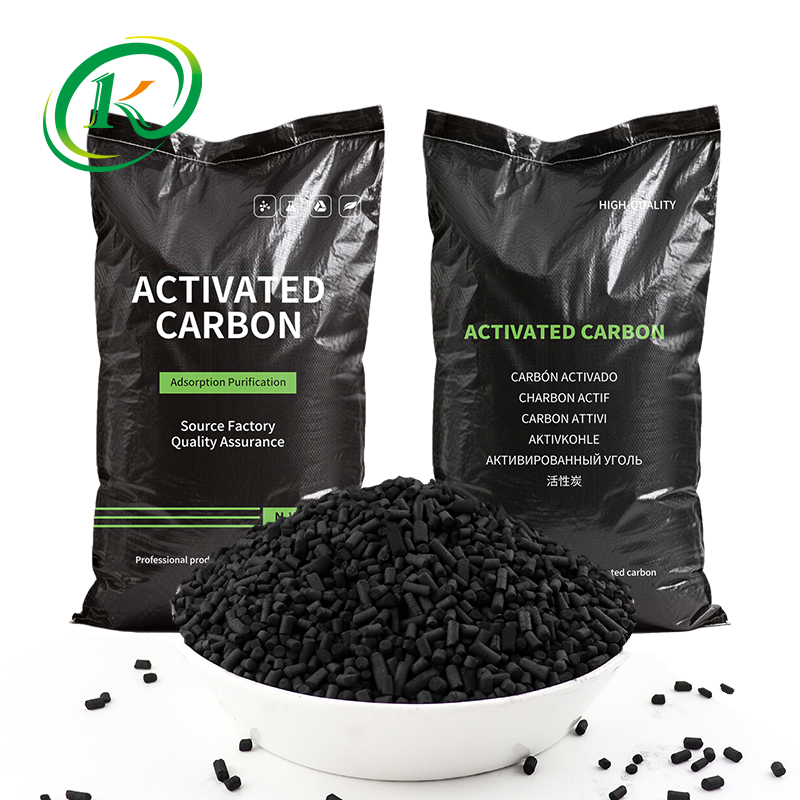
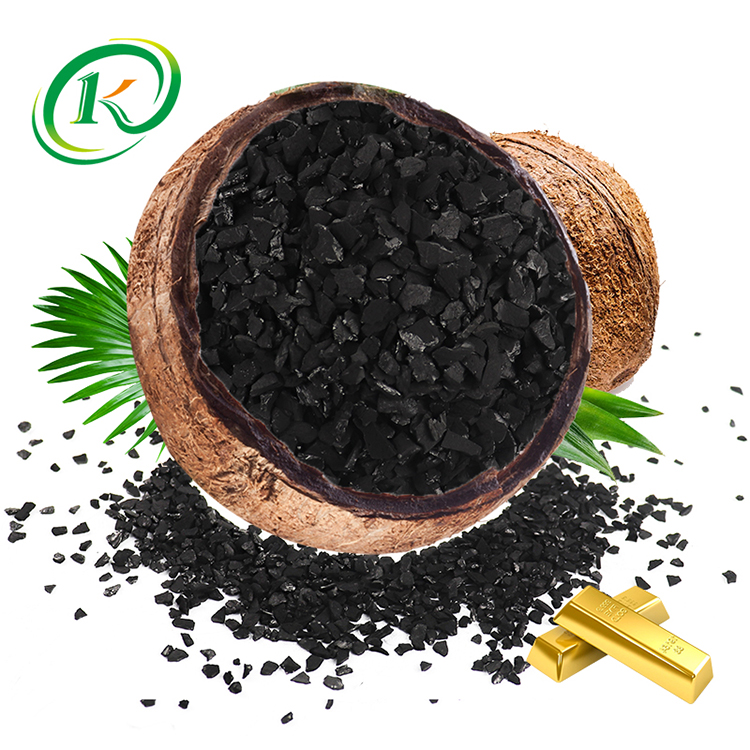
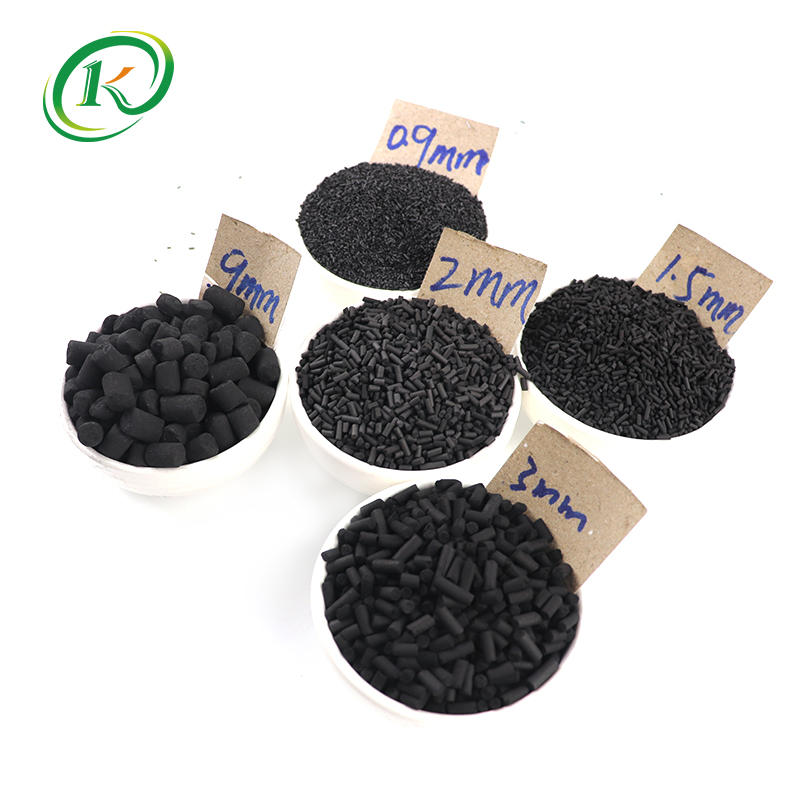
The pellet activated carbon has the appearance of black cylindrical particles. The activated carbon produced by our company uses high-quality coal and coconut shell as raw materials. Their high activity and surface area make them ideal for many gas phase applications. We are the leading activated carbon pellets manufacturers, exporters and suppliers, relying on high-quality rich coal resources, we can provide cost-effective quality activated carbon. Get Free Quote Ctc(%) 40, 50, 60, 70, 80, 90 Diameter Size 4mm Impregnation Ki, KOH, Naoh, etc Sample Detection Free Samples Active Carbon Material Coaly Activated Carbon Carbon Content High-Carbon Manufacturing Method Physical-Chemical Method of Activated Carbon Type Gas Adsorption Adsorption Properties Carbon Tetrachloride Adsorption Value Transport Package 25kg/Bag, 550kg/Bag, Custom Packaging Production Capacity 10000ton/Year Below are the diameter dimensions of the extruded carbon we supply: 0.9mm 1.5mm / 2mm 3mm 4mm 6mm 8mm CTC (CCl4 adsorption value) is an important indicator of the adsorption capacity of columnar carbon. The CTC we can provide includes:CTC40 CTC50 CTC60 CTC80 CTC90 Our extruded carbon carbon products can be impregnated as required, such as impregnating KI, KOH, NaOH, etc., to remove hydrogen sulfide, etc. Application Pillar Active Carbon for Adsorption of Gases Pellet activated carbon...
Learn More +