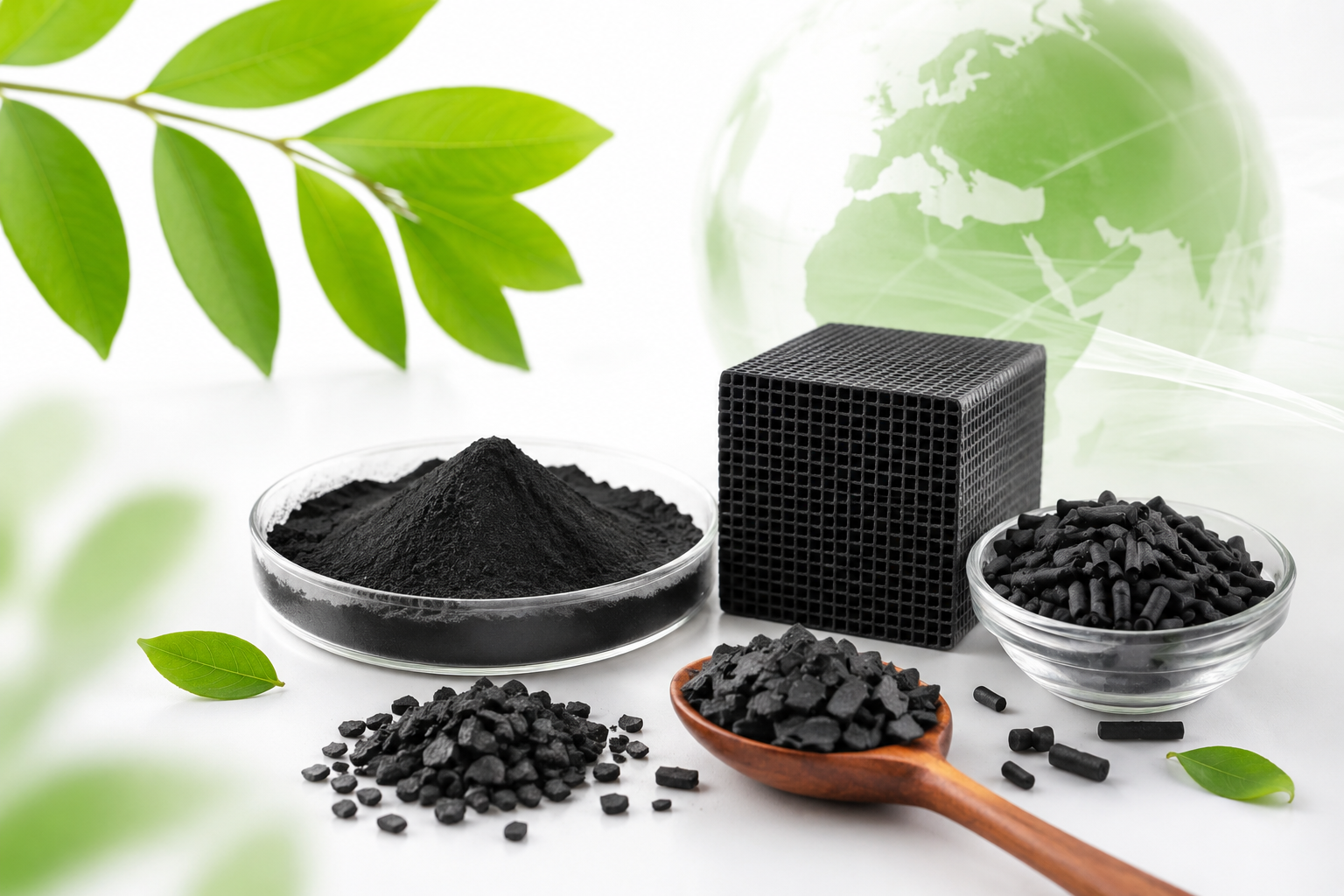
Ultrapure Water Purification High Purity Carbon for RO Pretreatment and Advanced Filtration
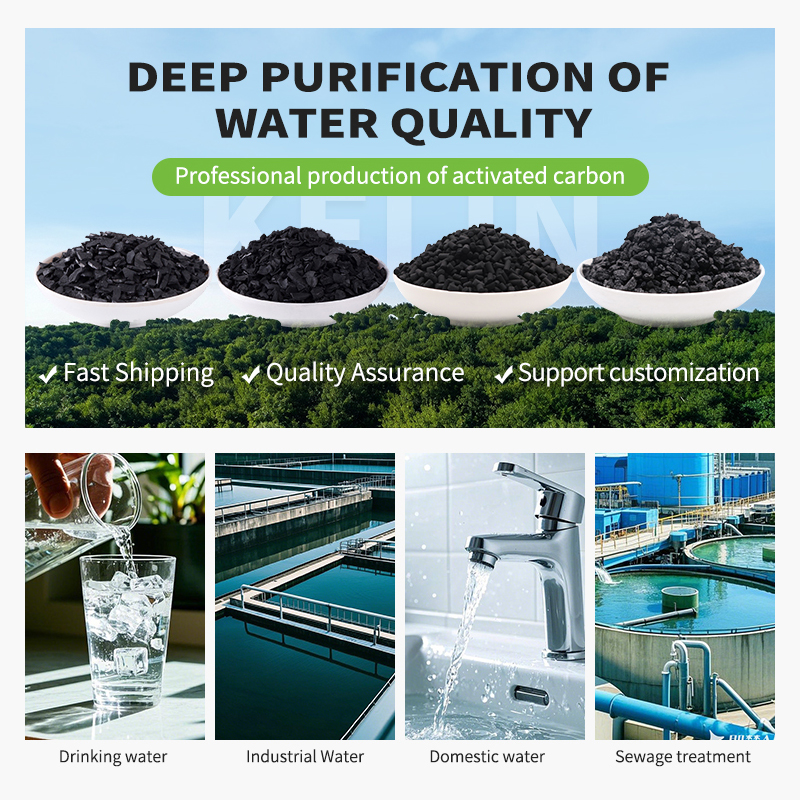
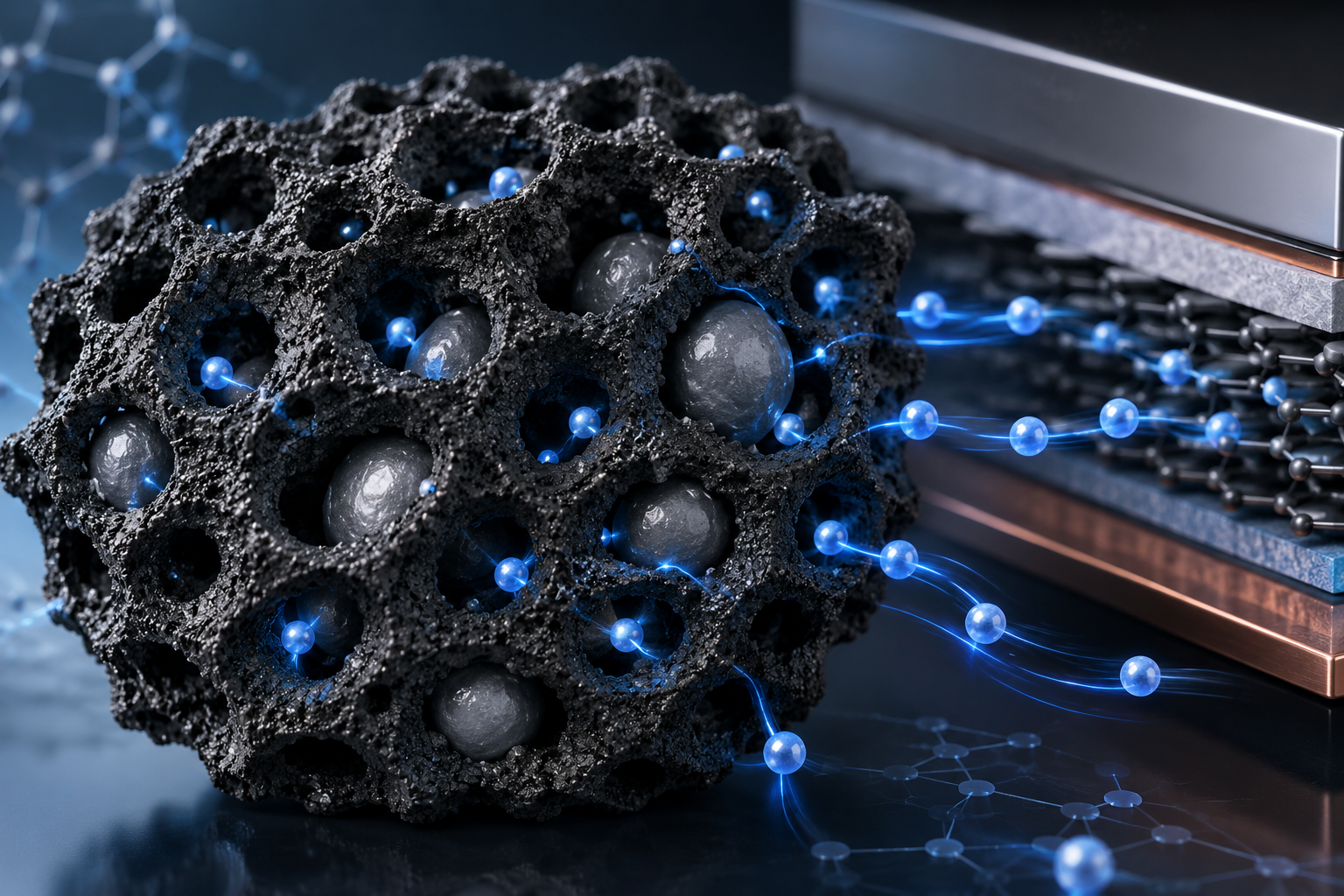
The Importance of Activated Carbon in Ultrapure Water Treatment The production of ultrapure water requires strict control of organic matter, residual chlorine, particulate matter, and trace impurities. Activated carbon filtration is typically used as a critical pretreatment step before entering advanced treatment equipment such as reverse osmosis (RO), EDI (electrodeionization), and ion exchange, effectively improving the overall stability of the water treatment system. High Purity Activated Carbon for Effective Contaminant Removal Specialized activated carbon for ultrapure water purification features a well-developed pore structure and a high specific surface area, effectively adsorbing organic matter, residual chlorine, and other pollutants in the water. By reducing the impurity content of the influent, activated carbon protects downstream precision equipment and improves the overall operating efficiency of the purification system. Activated Carbon Applications in RO Pretreatment Systems Reverse osmosis membranes are highly sensitive to residual chlorine and organic contaminants, excessive contaminants can lead to membrane oxidation, fouling, and reduced lifespan. High-quality granular activated carbon is typically installed at the upstream end of the RO system to remove residual chlorine and organic matter, ensuring stable operation of the membrane system. Wide Applications in Semiconductor Pharmaceutical and Industrial Fields Activated...
Learn More +