
-
Our Detailed Location
zhengzhou city, china -
WhatsApp
+86 13592690422 -
Drop us a line
export@zzzkelin.com
Our Detailed Location
zhengzhou city, chinaDrop us a line
export@zzzkelin.comDecolorization is a critical step in the purification process of citric acid production. The raw fermentation broth contains substantial quantities of pigments, colloids, and organic impurities, which can easily lead to yellowing of the final product and a decline in purity, thereby compromising product quality and grade. Consequently, selecting an appropriate powdered activated carbon is of paramount importance.
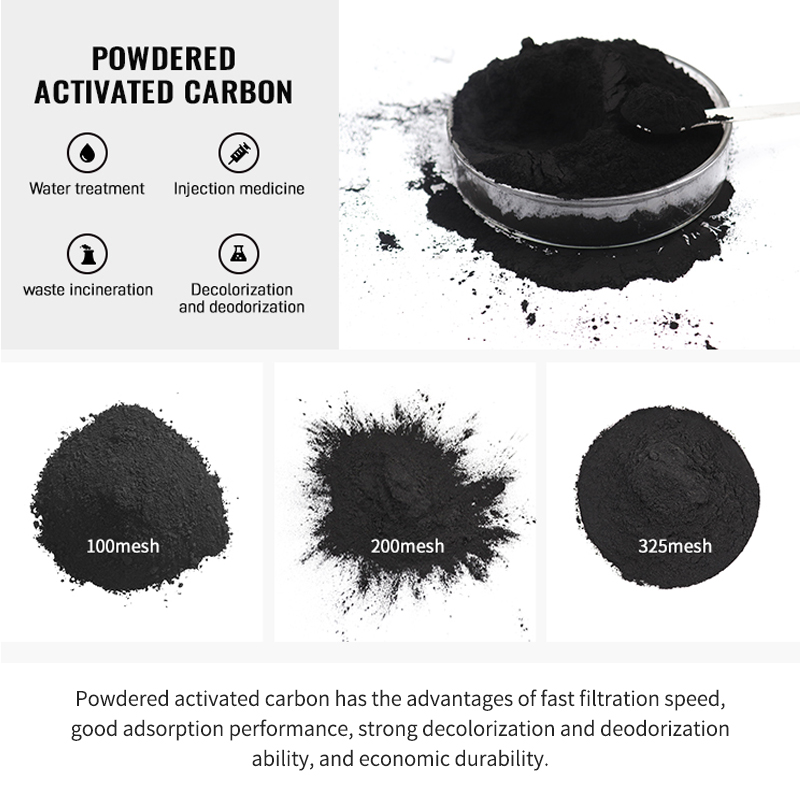
Citric acid production is an acidic process, so acid resistance is the primary consideration when selecting activated carbon. Using acid-resistant powdered activated carbon will prevent impurities from precipitating in the feed solution, thus avoiding secondary pollution.
The pore structure determines the decolorization effect. Preferred powdered activated carbon with a combination of micropores and mesopores can adsorb small molecule pigments while retaining large molecule colloidal impurities, effectively improving the permeability of the feed solution and reducing filter media clogging.
Carbon material types can be categorized according to product grade. For food grade citric acid, low ash, high purity wood-based powder activated carbon is recommended. For industrial-grade products, cost effective coal-based powder activated carbon can be used to balance decolorization effect and production cost.
The fineness of the powder is also crucial. Carbon powder with uniform particle size disperses better and reacts more quickly. A moderately fine particle size balances decolorization and solid-liquid separation efficiency, reducing the burden on downstream filtration.

Have questions about product selection or want to compare quotes? Contact us anytime! Kelin offer free sample trials and accurate quotes to help you reduce production costs and improve product quality!
