Coal, Wood and Coconut Shell: An Analysis of Application Scenarios for Three Types of Columnar Activated Carbon
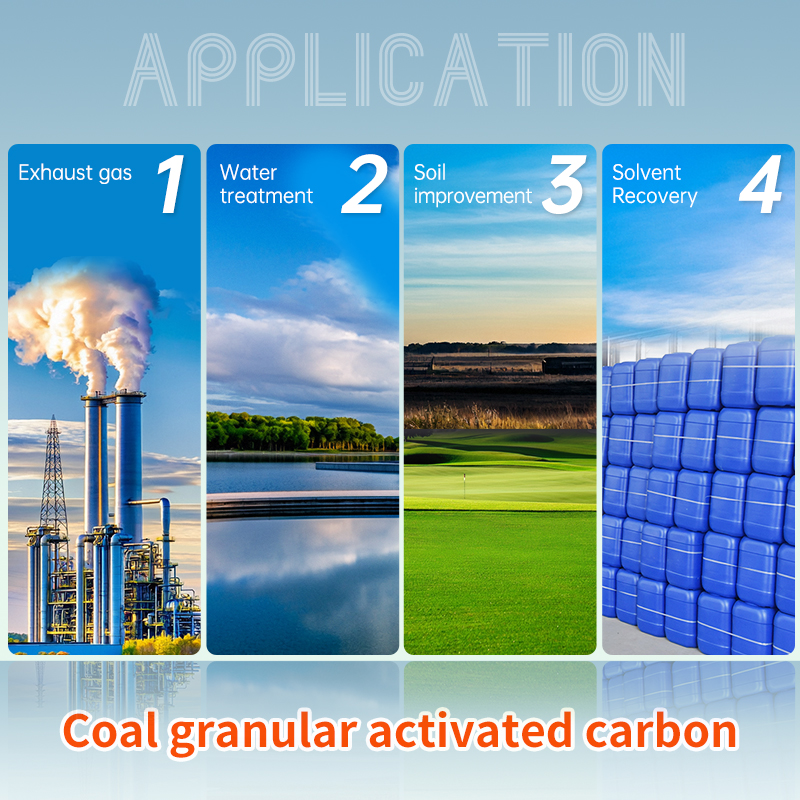
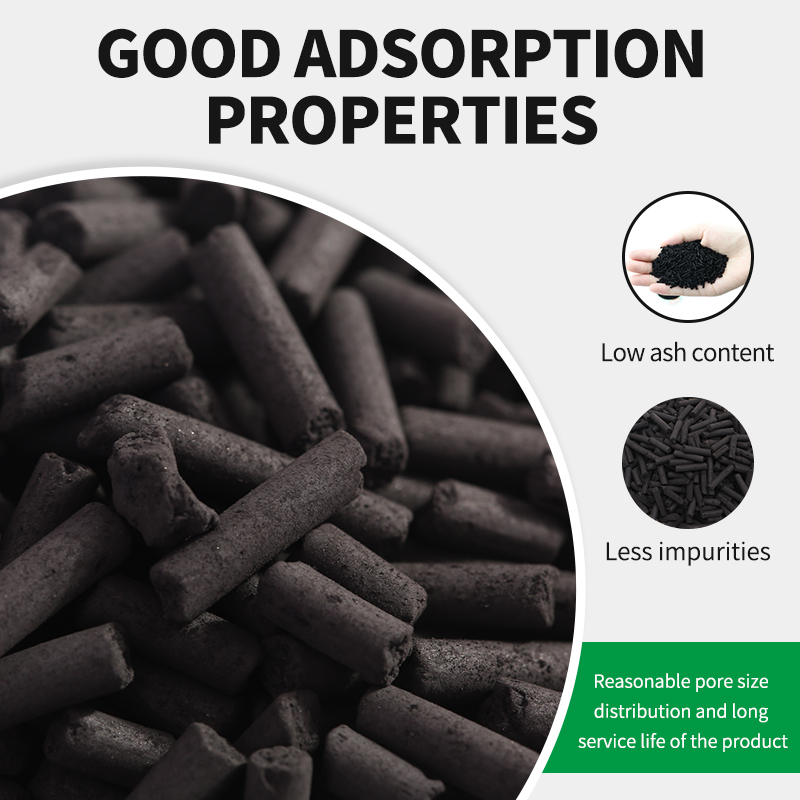
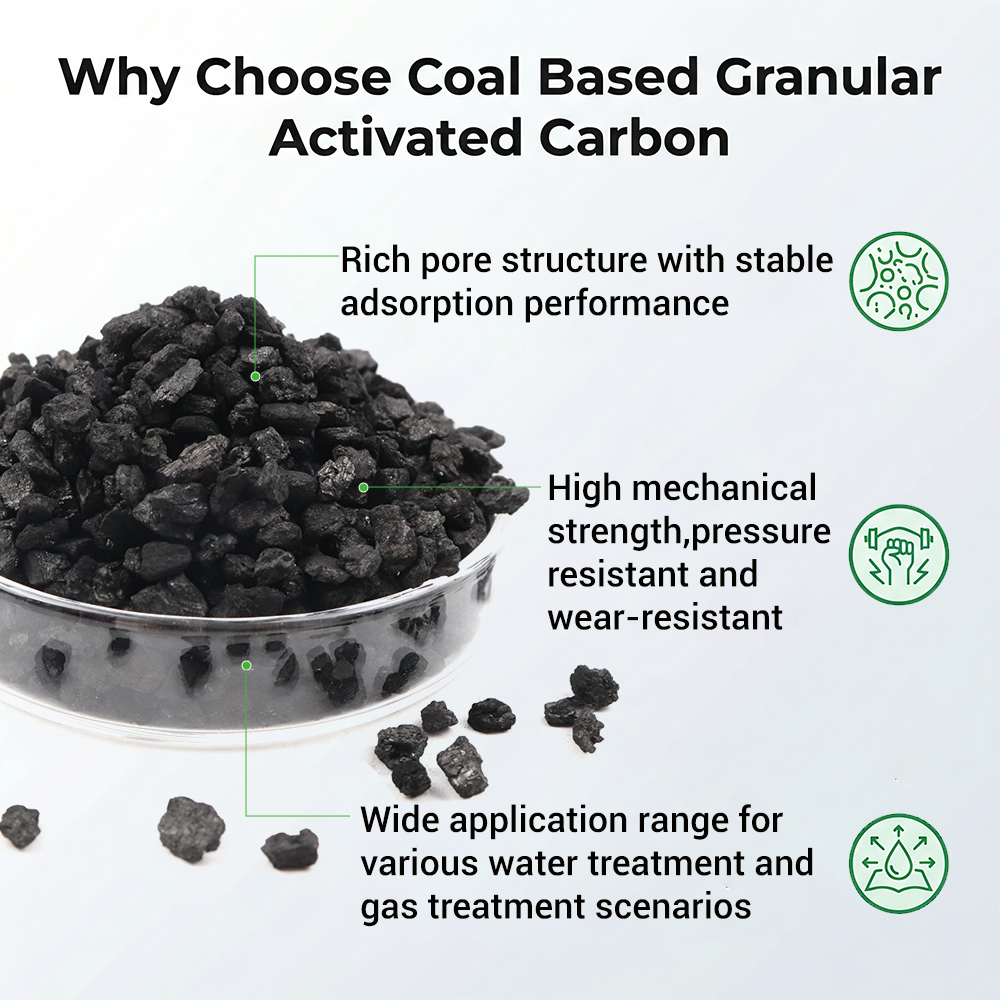
Coal-based Columnar Activated Carbon: Industrial Wastewater and Flue Gas Treatment Coal-based extruded activated carbon is manufactured from high-quality anthracite through processes such as crushing, carbonization, and activation, resulting in black, cylindrical granules. Its key advantages include a highly developed pore structure, large specific surface area, high mechanical strength, and low bed resistance, alongside good chemical stability, ease of regeneration, and cost-effectiveness. These characteristics make it an outstanding choice for high-flow, high-intensity industrial treatment applications. In the field of water treatment: Coal-based activated carbon is widely used for tap water purification, industrial water treatment, and the advanced treatment of domestic sewage and various industrial wastewaters; it effectively removes harmful substances such as organic compounds, residual chlorine, heavy metal ions (e.g., mercury, lead, arsenic), and cyanides. In the field of waste gas treatment: Coal-based extruded carbon is frequently employed for the purification of chemical feedstock gases, flue gas desulfurization and denitrification in power plants, and vapor recovery at facilities such as oil refineries and gas stations. Wood-based Columnar Activated Carbon: Organic Solvent Recovery and High-Purity Purification Wood-based columnar activated carbon is produced from forestry processing residues—such as high-quality wood chips and sawdust—through processes including pulverization, extrusion molding, carbonization, and...
Learn More +