The Principle And Effect of Activated Carbon Adsorption of Formaldehyde
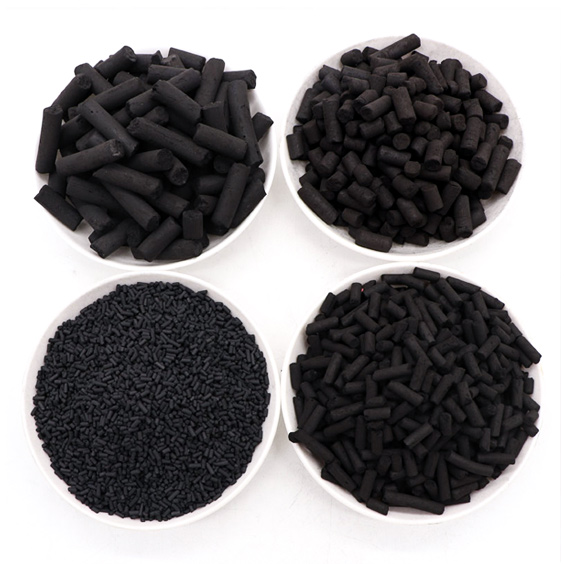
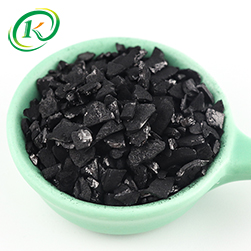
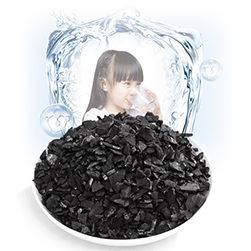
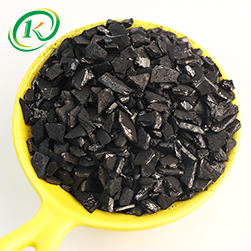
Activated carbon is a kind of black porous solid carbon, which is produced by pulverizing, forming or carbonizing and activating coal with uniform coal particles. The main component is carbon, and contains a small amount of oxygen, hydrogen, sulfur, nitrogen, chlorine and other elements. The specific surface area of ordinary activated carbon is between 500 and 1700m2/g. It has strong adsorption performance and is a widely used industrial adsorbent. Formaldehyde itself has strong chemical activity, and its half-life in the environment is generally within a few hours. Generally, it will not have a high concentration outdoors and is not a major pollutant. However, for health, since most people spend most of their time indoors, there are many sources of formaldehyde release indoors, and the indoor concentration is generally higher than outdoor. If it cannot be handled in time, it may cause greater harm. . The porous structure of activated carbon provides a large amount of surface area, which makes it easy to achieve the purpose of absorbing impurities such as formaldehyde. A large number of molecules on the activated carbon can generate a large gravitational force, so as to achieve the purpose of attracting harmful gases in the air into...
Learn More +